
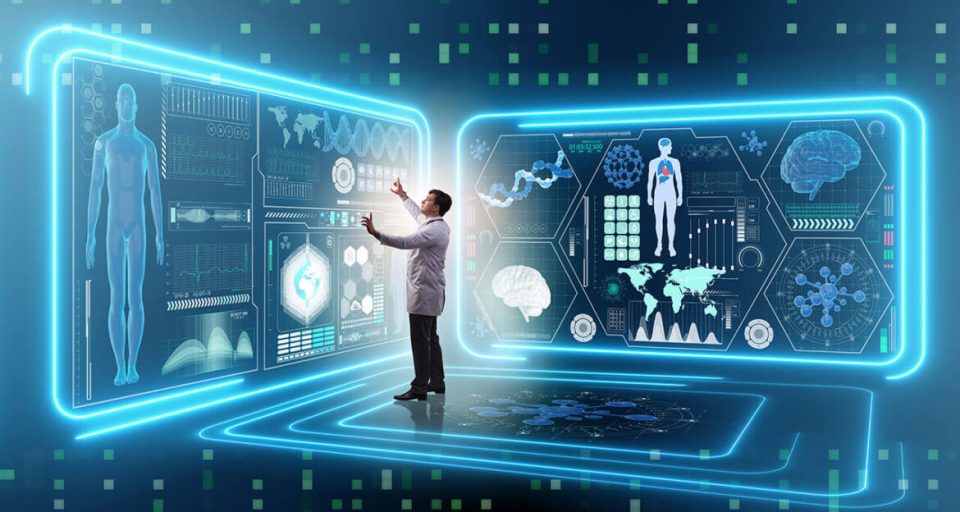
Technology continues to evolve at an extraordinary pace, influencing how we live, work, and connect. From artificial intelligence to sustainable innovations, each breakthrough holds the potential to transform entire industries. Understanding these advancements is essential not only for businesses but also for individuals seeking to thrive in the modern world. In this article, we will explore the most impactful developments in tech, their practical applications, and the challenges that lie ahead.
Artificial Intelligence and Machine Learning
Artificial Intelligence (AI) has moved far beyond theoretical discussions. Today, it powers everyday tools such as voice assistants, smart recommendations, and business analytics systems. The real strength of AI lies in its ability to process massive amounts of data and produce actionable insights faster than humans ever could.
Practical Applications of AI
-
Healthcare: AI-driven diagnostic tools can detect diseases early, improving treatment success rates.
-
Finance: Automated fraud detection systems monitor transactions in real time.
-
Education: Adaptive learning platforms personalise content for individual students.
-
Customer service: Chatbots and virtual assistants streamline communication.
Despite these benefits, AI also raises ethical questions about data privacy, job automation, and accountability. Addressing these concerns is as important as the innovation itself.
The Rise of Cloud Computing
Cloud computing has reshaped how organisations manage data and resources. Instead of relying solely on physical servers, businesses now adopt scalable cloud platforms that offer flexibility and cost efficiency.
Key Benefits
-
Scalability: Companies can scale resources up or down instantly.
-
Collaboration: Cloud services enable seamless team collaboration across borders.
-
Cost-effectiveness: Reduced hardware and maintenance costs make it attractive to startups and enterprises alike.
-
Security: Modern cloud providers integrate advanced cybersecurity features.
With hybrid and multi-cloud strategies on the rise, businesses gain more control over how they store sensitive information while maintaining operational agility.
Cybersecurity in a Connected World
As technology expands, so do threats. Cybersecurity has become a central focus for both businesses and individuals. Cybercriminals are more sophisticated than ever, using AI-driven attacks, ransomware, and phishing schemes to exploit vulnerabilities.
Best Practices for Digital Protection
-
Regular software updates and patches
-
Multi-factor authentication (MFA)
-
Employee training on recognising phishing attempts
-
Data encryption and secure backup systems
The future of cybersecurity lies in predictive systems powered by AI, which can anticipate threats before they occur.
Internet of Things (IoT) and Smart Living
IoT connects everyday devices to the internet, allowing them to communicate and share data. From smart thermostats to connected vehicles, IoT is changing how people interact with their environment.
Examples of IoT in Action
-
Smart homes: Automated lighting, heating, and security systems improve convenience and safety.
-
Healthcare: Wearable devices track patient health metrics in real time.
-
Agriculture: Sensors monitor soil quality and crop health for efficient farming.
-
Transport: Connected cars provide real-time traffic updates and predictive maintenance alerts.
As IoT expands, data privacy and secure connectivity remain critical challenges.
Blockchain and Digital Trust
Blockchain technology is no longer limited to cryptocurrency. Its decentralised and transparent nature makes it a powerful tool across industries. By creating tamper-proof records, blockchain enhances trust in digital transactions.
Use Cases Beyond Cryptocurrency
-
Supply chain management: Track goods from origin to delivery.
-
Healthcare: Secure patient records while ensuring accessibility.
-
Voting systems: Reduce fraud and increase transparency.
-
Real estate: Simplify property transactions with digital contracts.
Adoption continues to grow, but scalability and energy consumption remain hurdles.
Green Technology and Sustainability
Sustainability has become a defining feature of modern innovation. Green technology focuses on reducing environmental impact while maintaining efficiency. From renewable energy to eco-friendly materials, the push towards sustainability is stronger than ever.
Key Innovations
-
Solar and wind energy solutions becoming more cost-effective
-
Electric vehicles replacing petrol-powered alternatives
-
Smart grids optimising energy distribution
-
Circular economy models promoting recycling and reuse
Consumers are increasingly choosing eco-friendly products, which encourages businesses to integrate sustainability into their strategies.
The Evolution of Work: Remote and Hybrid Models
The pandemic accelerated remote work adoption, but its impact continues to shape the future. Hybrid work models supported by digital tools are now the norm. Collaboration platforms, virtual reality meetings, and secure cloud access have made location less important.
Benefits of Remote and Hybrid Work
-
Access to a wider talent pool
-
Improved work-life balance for employees
-
Reduced overhead costs for businesses
-
Lower carbon footprint through reduced commuting
Technology will continue to refine this model, especially with the integration of augmented and virtual reality for immersive collaboration.
5G Connectivity and Beyond
The introduction of 5G is unlocking faster internet speeds, low latency, and enhanced connectivity. This leap in communication technology supports advanced applications such as autonomous vehicles, real-time gaming, and remote surgeries.
Looking ahead, discussions around 6G are already underway, focusing on even greater data transfer rates and integration with AI-driven systems.
The Human Side of Technology
While innovation captures attention, the human aspect should never be overlooked. Accessibility, inclusivity, and ethics must remain priorities. Technology should empower people, not exclude them. Designing with empathy ensures that advancements serve society as a whole.
Frequently Asked Questions (FAQ)
What technology will have the biggest impact in the next decade?
Artificial Intelligence is expected to dominate due to its ability to transform industries from healthcare to logistics. However, sustainability-focused technologies will also play a major role.
Is blockchain safe for everyday use?
Yes, blockchain is secure because of its decentralised and transparent structure. However, users must still take precautions, as poor implementation or external vulnerabilities can compromise safety.
How does IoT affect daily life?
IoT makes everyday tasks more convenient, such as controlling home appliances remotely or monitoring fitness through wearable devices. At the same time, it increases reliance on secure internet connections.
Will remote work replace traditional offices?
Not entirely. Hybrid work models are likely to remain popular, offering flexibility while maintaining opportunities for in-person collaboration.
Why is 5G important for innovation?
5G enables ultra-fast and reliable connections, which are essential for emerging technologies such as autonomous cars, smart cities, and immersive digital experiences.
