
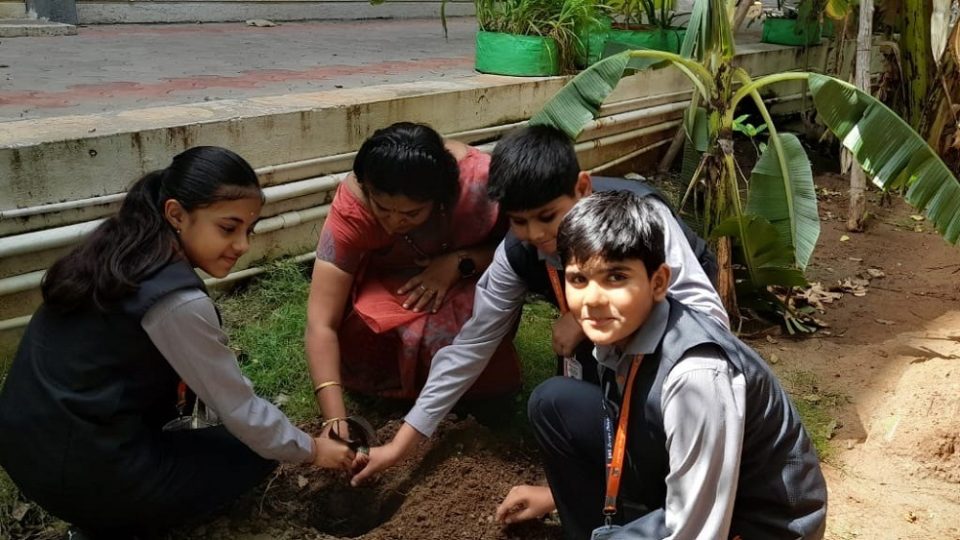
Education is a powerful tool for shaping a sustainable future. It equips individuals with the knowledge, values, and skills needed to address environmental, economic, and social challenges. By promoting awareness and responsible decision-making, education empowers people to create solutions that support long-term global development.
Sustainable development focuses on meeting present needs without compromising the ability of future generations to meet their own needs. Education plays a critical role in achieving this goal by encouraging innovation, responsible resource use, and active participation in building a balanced and sustainable society.
Understanding Sustainable Development
Sustainable development refers to progress that balances economic growth, environmental protection, and social equality. It aims to create systems that allow societies to grow while preserving natural resources and improving quality of life.
The key pillars of sustainable development include:
- Environmental sustainability – protecting ecosystems and natural resources
- Economic sustainability – promoting responsible economic growth
- Social sustainability – ensuring fairness, equality, and community well-being
Education helps individuals understand how these elements are interconnected and why responsible choices matter.
The Role of Education in Promoting Sustainability
Education builds awareness and equips individuals with practical knowledge that encourages sustainable lifestyles and responsible citizenship.
1. Raising Environmental Awareness
Education helps students understand environmental challenges such as climate change, pollution, biodiversity loss, and resource depletion.
Through learning, individuals become more conscious about:
- Conserving energy and water
- Reducing waste and recycling
- Protecting forests and wildlife
- Adopting environmentally friendly habits
This awareness encourages people to act responsibly toward the planet.
2. Encouraging Critical Thinking and Problem-Solving
One of the most important contributions of education is developing critical thinking skills. These skills help students analyze complex issues related to sustainability and find innovative solutions.
For example, students may learn to:
- Evaluate the impact of industrial activities on the environment
- Design eco-friendly technologies
- Develop sustainable agricultural practices
- Create community solutions for environmental challenges
Critical thinking allows future leaders to make informed decisions for long-term sustainability.
3. Promoting Responsible Citizenship
Education helps individuals understand their roles and responsibilities within society. It encourages participation in social initiatives and community development.
Responsible citizenship includes:
- Supporting policies that protect the environment
- Participating in community sustainability programs
- Promoting equality and social justice
- Encouraging responsible consumption habits
Educated citizens are more likely to support policies and practices that promote sustainable development.
4. Supporting Economic Sustainability
Education improves skills and knowledge that contribute to economic growth while maintaining environmental responsibility.
Key contributions include:
- Developing a skilled workforce
- Encouraging green entrepreneurship
- Promoting innovation in sustainable technologies
- Supporting industries that reduce environmental impact
By preparing individuals for emerging green industries, education helps create sustainable economic opportunities.
5. Promoting Social Equality and Inclusion
Sustainable development requires equal opportunities for all individuals. Education helps reduce poverty, inequality, and social barriers.
When people have access to quality education, they gain:
- Better employment opportunities
- Improved living standards
- Greater social mobility
- Increased participation in decision-making processes
Education empowers marginalized communities and promotes inclusive development.
Education for Sustainable Development (ESD)
Education for Sustainable Development (ESD) is an educational approach that integrates sustainability concepts into learning systems. It encourages learners to develop values and behaviors that support environmental protection and social responsibility.
Key features of ESD include:
- Integrating sustainability topics into school curricula
- Promoting interdisciplinary learning
- Encouraging community-based projects
- Developing sustainable lifestyles among students
This approach ensures that sustainability becomes a fundamental part of education systems.
Benefits of Integrating Sustainability into Education
Integrating sustainability into education provides long-term benefits for individuals and societies.
Major benefits include:
- Improved environmental awareness among students
- Greater innovation in sustainable technologies
- Responsible consumption and lifestyle choices
- Stronger community engagement
- Preparation for green jobs and sustainable careers
These benefits contribute to a more balanced and resilient global society.
Challenges in Promoting Sustainable Development Through Education
Despite its importance, several challenges affect the implementation of sustainability education.
Some common challenges include:
- Limited awareness of sustainability concepts in schools
- Lack of trained educators in sustainability topics
- Insufficient resources for environmental education programs
- Unequal access to quality education in many regions
Addressing these challenges requires cooperation between governments, educational institutions, and communities.
The Future of Education and Sustainability
The future of education will increasingly focus on sustainability, innovation, and global responsibility. Modern education systems are gradually incorporating environmental studies, climate education, and sustainable development goals into their curricula.
Technology, digital learning platforms, and global collaboration are also expanding opportunities for sustainability education. As awareness grows, education will continue to play a crucial role in shaping responsible leaders who can tackle global challenges.
Frequently Asked Questions (FAQs)
1. What is the connection between education and sustainable development?
Education helps individuals understand environmental, economic, and social challenges while equipping them with the skills needed to create sustainable solutions.
2. Why is education important for environmental protection?
Education increases awareness about environmental issues and encourages responsible behaviors such as conserving resources, reducing waste, and protecting ecosystems.
3. What is Education for Sustainable Development?
Education for Sustainable Development is an approach that integrates sustainability principles into learning systems to promote responsible lifestyles and global citizenship.
4. How does education reduce poverty and inequality?
Education improves employment opportunities, raises income levels, and empowers individuals to participate in economic and social development.
5. Can schools promote sustainability practices?
Yes, schools can promote sustainability through environmental education programs, recycling initiatives, tree-planting projects, and energy conservation practices.
6. What skills does sustainability education develop?
Sustainability education develops critical thinking, problem-solving, collaboration, innovation, and environmental awareness.
7. How can students contribute to sustainable development?
Students can contribute by practicing sustainable habits, participating in environmental initiatives, spreading awareness, and supporting sustainable community projects.
