
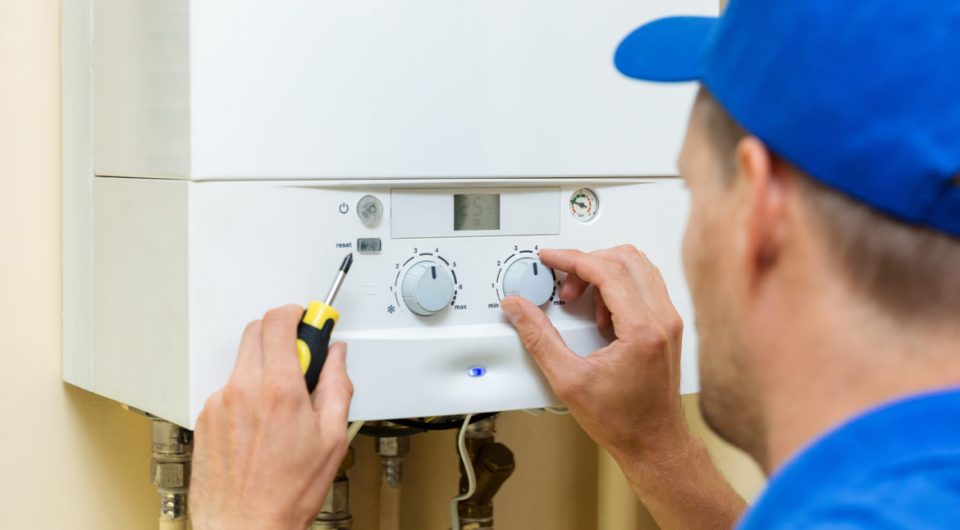
Your central heating system works hard to keep your home warm and comfortable-but like any hardworking appliance, it needs a bit of care to stay in good shape. The good news? A few simple maintenance habits can go a long way toward preventing breakdowns, reducing wear and tear, and even helping your system run more efficiently for longer.
Why central heating maintenance matters
Even if everything seems fine today, small issues can build up quietly over time – things like air trapped in the system, scale inside pipes, or tiny leaks. Left unchecked, these can lead to bigger problems: pressure loss, cold spots on radiators, noisy operation or even a full boiler breakdown.
Regular maintenance helps catch those problems early. It also supports energy efficiency, reduces strain on boiler components and the pump, and keeps the whole system operating as it should. That often means fewer emergency call‑outs and a longer overall lifespan.
Signs your heating system could use attention
Some signs of a neglected or underperforming system are easy to miss unless you’re paying attention. These include:
- Radiators that take a long time to warm up or never get properly hot
- Strange noises like clanking, gurgling or whistling from the boiler or pipes
- Frequent pressure drops or the need to top up the system regularly
- Discoloured water when bleeding radiators (suggesting sludge or rust)
- Unexplained increases in your heating bills
If you spot any of these, it’s worth taking a closer look – or calling a heating engineer for a proper inspection.
A Simple Maintenance Routine to Follow
Here’s a seasonal rhythm to help you stay on top of central heating maintenance:
- At the start of the heating season (usually autumn):
Book your annual boiler service, bleed your radiators, and check system pressure. Also, inspect pipe insulation and lagging. - Monthly:
Check the boiler pressure gauge and make sure it’s within the recommended range. Keep an eye out for any signs of leaks, damp patches, or odd noises near radiators and pipework. - Every few years (or if the heating seems sluggish):
Consider a system flush or power flush to clear out sludge and improve water flow. If you haven’t already, ask your engineer about installing a magnetic filter or adding a system inhibitor. - During summer or long periods without heating:
Run the system occasionally for a short time – this helps keep internal parts moving so valves or pumps don’t seize. While you’re at it, check radiator valves and ensure vents remain clear.
What professional servicing includes
An annual boiler service is one of the most important parts of central heating maintenance. A qualified heating engineer will:
- Check the boiler’s combustion chamber and burner
- Test the flue and ventilation for safe airflow
- Confirm the correct operating pressure and temperature settings
- Inspect the pump, valves, and other key parts for signs of wear
- Check for leaks or corrosion in the system
- Provide a report or service record with any suggested fixes
This kind of regular servicing helps maintain safety, reliability and efficiency.
Extra steps for long-term care
If you want to get the most out of your heating system, there are a few upgrades worth considering:
- Fit a magnetic filter: This traps rust and debris before they circulate, helping prevent blockages and corrosion
- Add a chemical inhibitor: This slows down the build-up of scale and protects pipework and radiators over time
- Lag exposed pipes: Especially those in lofts, garages or unheated areas – pipe insulation reduces heat loss and helps prevent freezing in cold weather
- Upgrade thermostats or TRVs (thermostatic radiator valves): Smarter controls can improve overall efficiency and give more consistent comfort.
Stay Ahead of Heating Problems
Central heating systems don’t need constant attention, but a bit of regular maintenance makes all the difference. If you keep an eye on the pressure, book annual servicing, and tackle small problems early, you’ll help your system last longer, run more efficiently, and stay ready when you need it most.
