
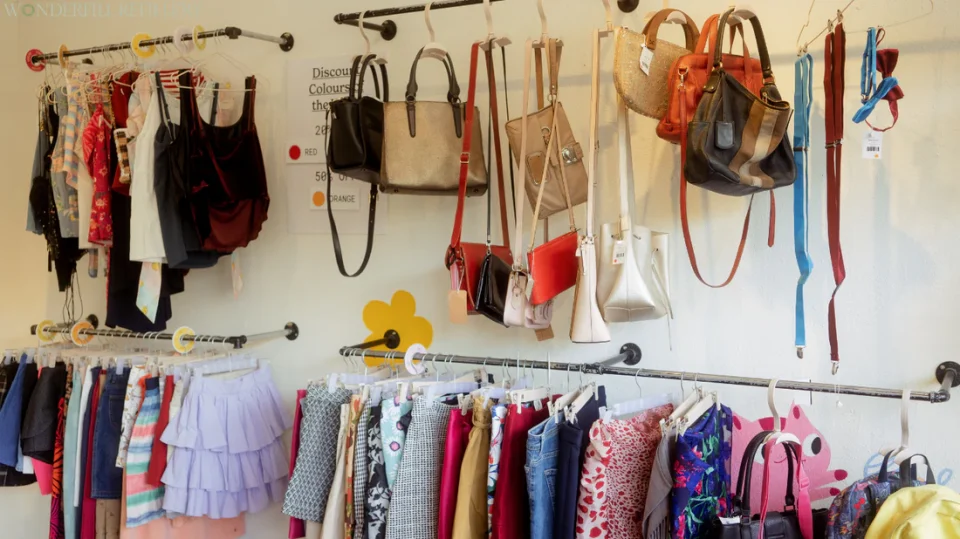
Modern consumers are becoming increasingly aware of how everyday purchases affect the planet. Sustainable shopping focuses on buying products that minimize environmental harm, reduce waste, and support ethical production.
From the clothes we wear to the food we eat, every purchase carries an environmental footprint. By choosing products that are responsibly made, durable, and recyclable, individuals can help reduce pollution, conserve resources, and encourage businesses to adopt greener practices.
This guide explains how to make eco-friendly shopping choices that benefit both people and the environment.
What Is Sustainable Shopping?
Sustainable shopping refers to purchasing products that are produced, packaged, and distributed in ways that minimize environmental impact and support social responsibility.
It involves considering several factors before buying:
- The materials used in the product
- The manufacturing process and energy consumption
- The working conditions of people producing it
- The packaging and waste generated
- The product’s lifespan and recyclability
Rather than focusing solely on price or convenience, sustainable consumers evaluate the long-term environmental and social consequences of their purchases.
Why Sustainable Shopping Matters
Shopping habits influence global production systems. When consumers prioritize sustainable goods, businesses respond by shifting toward eco-friendly practices.
Key environmental benefits include:
- Reducing landfill waste through reusable and recyclable products
- Lowering carbon emissions by supporting local or low-impact manufacturing
- Conserving natural resources such as water, forests, and minerals
- Protecting biodiversity by avoiding harmful chemicals and materials
Additionally, sustainable shopping often supports fair labor practices, helping ensure safe working conditions and fair wages for workers around the world.
Practical Tips for Sustainable Shopping
Adopting eco-friendly shopping habits doesn’t require drastic lifestyle changes. Small adjustments can make a significant difference over time.
1. Buy Less, Choose Better
One of the most sustainable choices is simply buying fewer items and selecting high-quality products that last longer.
Focus on:
- Durable materials
- Timeless designs instead of fast-changing trends
- Repairable items rather than disposable ones
This approach reduces both waste and unnecessary consumption.
2. Choose Eco-Friendly Materials
Certain materials have a lower environmental impact than others.
Look for products made from:
- Organic cotton
- Bamboo
- Recycled plastic
- Reclaimed wood
- Hemp or linen
These materials typically require less water, fewer chemicals, and less energy during production.
3. Support Ethical and Sustainable Brands
Many companies now prioritize sustainability through transparent supply chains and responsible manufacturing.
When researching brands, check for:
- Ethical labor practices
- Sustainable sourcing of materials
- Environmental certifications
- Reduced carbon footprints
Supporting such businesses encourages the market to adopt more responsible production models.
4. Reduce Packaging Waste
Packaging accounts for a significant portion of household waste. Choosing products with minimal or recyclable packaging helps cut down on landfill accumulation.
Helpful strategies include:
- Buying bulk items
- Choosing refillable containers
- Avoiding single-use plastics
- Bringing reusable bags and containers
These small steps significantly reduce everyday waste.
5. Shop Local Whenever Possible
Local products often require less transportation, which means fewer carbon emissions. Shopping locally also supports small businesses and strengthens community economies.
Examples of local shopping include:
- Farmers’ markets
- Local clothing designers
- Independent grocery stores
- Artisan crafts and handmade goods
This approach promotes both sustainability and economic resilience.
6. Embrace Second-Hand Shopping
Buying second-hand items extends the life cycle of products and reduces demand for new manufacturing.
Popular second-hand options include:
- Thrift stores
- Vintage clothing shops
- Online resale marketplaces
- Community swap events
These choices help reduce waste while often saving money.
The Role of Consumers in Sustainable Change
Individual choices might seem small, but collective consumer behavior drives major market shifts. When enough shoppers prioritize sustainability, businesses adjust their supply chains, packaging strategies, and product designs.
Consumer demand has already encouraged companies to introduce:
- Biodegradable packaging
- Carbon-neutral products
- Recycled materials in manufacturing
- Transparent supply chains
In this way, sustainable shopping becomes a powerful tool for influencing global environmental responsibility.
Challenges of Sustainable Shopping
While sustainable shopping is beneficial, it can also present certain challenges.
Some common barriers include:
- Higher upfront costs for eco-friendly products
- Limited availability in certain regions
- Confusing sustainability claims or “greenwashing”
To overcome these issues, consumers should focus on informed decision-making, researching brands and prioritizing meaningful sustainability efforts rather than marketing claims.
Conclusion
Sustainable shopping is not about perfection—it’s about making thoughtful, environmentally conscious decisions whenever possible. By choosing durable goods, reducing waste, supporting ethical brands, and shopping locally, consumers can significantly reduce their environmental impact.
Over time, these choices contribute to a healthier planet, responsible production systems, and a more sustainable global economy. Every mindful purchase helps shape a future where economic growth and environmental protection go hand in hand.
Frequently Asked Questions (FAQs)
1. What is the easiest way to start sustainable shopping?
The simplest starting point is buying fewer but higher-quality products, using reusable bags, and avoiding single-use plastics whenever possible.
2. Are eco-friendly products always more expensive?
Not necessarily. While some sustainable items have higher upfront costs, they often last longer, which can save money over time.
3. How can I identify truly sustainable brands?
Look for credible environmental certifications, transparent supply chains, and detailed sustainability reports rather than vague marketing claims.
4. Is second-hand shopping considered sustainable?
Yes. Purchasing second-hand items extends product lifespans and reduces demand for new manufacturing, which lowers environmental impact.
5. How does sustainable shopping reduce carbon emissions?
Eco-friendly products often involve less energy-intensive production, reduced transportation, and recyclable materials, all of which help cut emissions.
6. What is greenwashing in sustainable shopping?
Greenwashing occurs when companies mislead consumers by falsely claiming their products are environmentally friendly without meaningful sustainable practices.
7. Can sustainable shopping really make a difference?
Yes. When many consumers prioritize sustainable products, companies are encouraged to adopt environmentally responsible production and packaging practices.
