
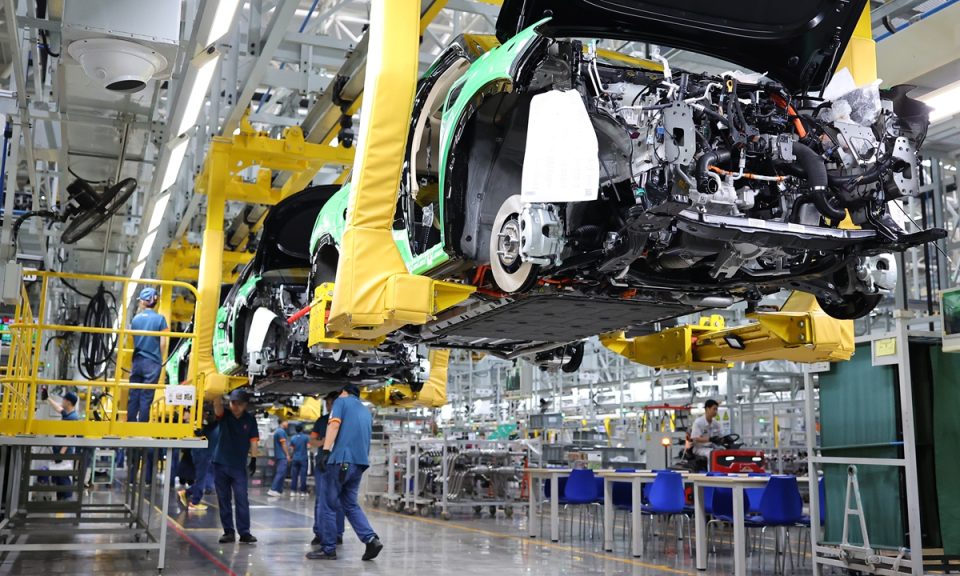
The automotive industry is undergoing a profound transformation, shaped by technology, sustainability goals, and evolving consumer expectations. The term auto no longer refers simply to vehicles powered by internal combustion engines, but to a diverse ecosystem of connected, intelligent, and sustainable mobility solutions. This article explores the key areas where change is happening, the challenges the industry faces, and the opportunities emerging for manufacturers, consumers, and societies at large.
Evolution of the Auto Industry
The history of the automobile is a story of innovation, adaptation, and resilience. From the first petrol-powered cars of the late 19th century to the global expansion of mass-produced vehicles in the 20th century, autos have defined economies and cultures. Today, the pace of change is faster than ever, driven by three major forces:
-
Electrification
-
Digitalisation and connectivity
-
Sustainability and environmental responsibility
Each of these forces is reshaping not just the cars we drive, but the way we think about mobility as a whole.
Electrification and the Rise of EVs
Electric vehicles (EVs) are at the centre of the industry’s transition. Governments worldwide are setting ambitious targets for zero-emission mobility, while automakers are investing billions into battery technology and charging infrastructure.
Benefits of electrification
-
Lower emissions: EVs contribute significantly to reducing urban air pollution.
-
Reduced running costs: Electricity is often cheaper than petrol or diesel, while maintenance costs are lower due to fewer moving parts.
-
Energy independence: EVs can be integrated with renewable energy, supporting broader energy transition goals.
Key challenges
-
Battery supply chains: Securing lithium, cobalt, and other raw materials remains a strategic concern.
-
Charging infrastructure: Rural and suburban areas often lack sufficient facilities.
-
Consumer perceptions: Range anxiety and upfront purchase costs still deter some buyers.
Autonomous Driving and Smart Technology
Self-driving cars are no longer science fiction. Automation levels range from basic driver-assist features to fully autonomous prototypes being tested in cities worldwide.
Current applications
-
Adaptive cruise control
-
Lane-keeping assistance
-
Automated parking systems
Opportunities for society
-
Safety improvements: Reducing accidents caused by human error.
-
Accessibility: Enabling mobility for elderly and disabled populations.
-
Efficiency: Optimising traffic flow and reducing congestion.
Barriers to adoption
-
Regulatory frameworks differ widely across countries.
-
Public trust in autonomous technology is still developing.
-
Ethical questions around decision-making in unavoidable accidents remain unresolved.
Connected Cars and the Digital Experience
Modern vehicles are increasingly defined by their software as much as their hardware. Connectivity offers both drivers and manufacturers valuable tools.
-
In-car infotainment: Seamless integration with smartphones, apps, and streaming services.
-
Vehicle-to-vehicle communication: Enhancing road safety by sharing data between cars.
-
Predictive maintenance: Monitoring performance and alerting owners before faults occur.
-
Over-the-air updates: Enabling vehicles to receive new features without visiting a dealership.
Sustainability Beyond the Tailpipe
Sustainability in the auto industry extends beyond emissions. Automakers are rethinking manufacturing processes, supply chains, and recycling strategies.
-
Circular economy models: Designing vehicles for easy disassembly and recycling.
-
Eco-friendly materials: Using plant-based composites, recycled plastics, and lighter metals.
-
Energy-efficient factories: Reducing the carbon footprint of production facilities.
Changing Consumer Expectations
The role of cars in society is shifting. For many, ownership is less important than access. Subscription services, car-sharing, and ride-hailing platforms are redefining what mobility means.
-
Urbanisation: Dense cities often discourage ownership in favour of shared solutions.
-
Sustainability awareness: Younger generations prioritise eco-friendly transport.
-
Digital convenience: Consumers expect cars to integrate seamlessly into their connected lifestyles.
Future Challenges for the Auto Sector
Despite optimism, several challenges remain:
-
Global economic pressures: Inflation, interest rates, and supply chain disruptions affect affordability.
-
Geopolitical risks: Trade disputes and resource security impact production.
-
Rapid technological shifts: Companies risk falling behind if they cannot adapt quickly.
Opportunities Ahead
For those who embrace innovation, the opportunities are immense:
-
Developing new business models around mobility as a service.
-
Leveraging artificial intelligence for smarter, safer vehicles.
-
Partnering with governments to build charging networks and green infrastructure.
-
Expanding into emerging markets with tailored mobility solutions.
FAQs
What is the difference between hybrid cars and electric cars?
Hybrid cars use both an internal combustion engine and an electric motor, while electric cars run entirely on battery power. Hybrids are often seen as a transitional step toward full electrification.
How long do EV batteries last?
Most EV batteries are designed to last at least 8 to 10 years or around 100,000 miles. Advances in technology are continually improving lifespan and performance.
Will autonomous cars completely replace human drivers?
It is unlikely in the near future. Autonomous technology will coexist with human-driven vehicles for decades, especially in regions with complex road systems or less developed infrastructure.
Are electric cars really greener if electricity comes from fossil fuels?
Even when powered by fossil fuel-based electricity, EVs usually produce fewer emissions over their lifetime than petrol or diesel vehicles. Their environmental benefits grow further as renewable energy becomes more widespread.
What is mobility as a service (MaaS)?
MaaS refers to a shift away from private car ownership toward accessing transport on demand, including car-sharing, ride-hailing, and integrated public transport apps.
