
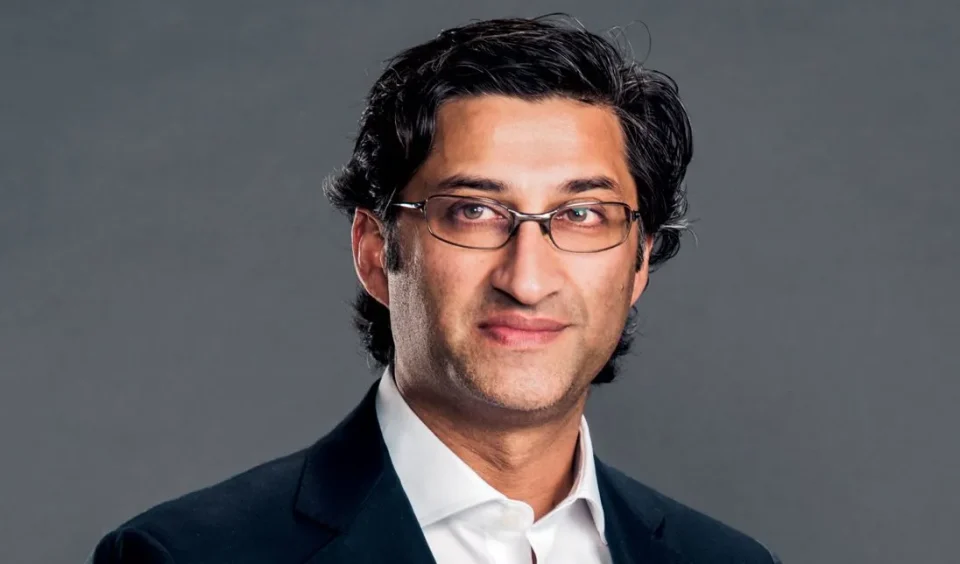
Over the past decade, Asif Kapadia has emerged as one of the most inventive voices in contemporary cinema, a director whose work extends beyond storytelling into cultural reflection. His films have been celebrated not only for their technical innovation but also for their ability to capture universal themes that speak to audiences across borders. By blending archival precision with emotional depth, he has crafted films that feel deeply personal yet globally resonant.
Asif Kapadia first gained recognition with Senna, where he bypassed traditional interviews and commentary in favor of constructing a narrative entirely from racing footage and broadcast archives. The result was more than a sports documentary; it was an immersive portrait of ambition, vulnerability, and mortality. With Amy, he brought a similar approach to the story of a singer often reduced to tabloid caricature, recovering her humanity through unseen videos, lyrics, and home recordings. Diego Maradona then expanded this method into something almost operatic, portraying the Argentine football star within a framework more akin to a gangster epic than a biographical sketch.
The release of 2073 represented a turning point. For the first time, Asif Kapadia used his archival-first sensibility to imagine the future, weaving dramatized LED-stage sequences with news footage and phone recordings. Samantha Morton’s role as Ghost places viewers inside a dystopian vision of survival while surrounded by real images of environmental destruction, political turmoil, and social unrest. This hybrid form blurs the line between what has already happened and what could unfold, leaving audiences unsettled by the familiarity of its imagined world.
What distinguishes Asif Kapadia’s work is its adaptability across contexts. Screenings of 2073 revealed different emphases depending on the country. Spanish audiences focused on flooding imagery, while New Yorkers engaged more with its political themes. This variability highlights his method’s openness: rather than dictating meaning, his films create a reflective surface where each culture sees its own anxieties and struggles. Such flexibility has made his documentaries relevant well beyond their immediate subjects.
Equally important is his collaborative ethos. Asif Kapadia has consistently surrounded himself with editors, composers, and cinematographers who expand the reach of his vision. In 2073, Chris King and Sylvie Landra brought distinct editing styles to documentary and dramatized material, while sound design merged electronic and orchestral tones to create an atmosphere that was both journalistic and speculative. These partnerships ensure that each film is not the product of a single perspective but a convergence of creative voices.
The career of Asif Kapadia shows how nonfiction cinema can function as both cultural record and imaginative speculation. By grounding even the most experimental material in real archives, he insists on the persistence of truth, even when wrapped in speculative futures. His films resonate not because they provide simple answers but because they reveal patterns—of fame, of collapse, of resilience—that echo across time and geography. For audiences around the world, this work is more than cinema; it is a lens through which to interpret the complexities of the present and the uncertainties of what is to come.
